







Search Results for: coffee bean quality

Brazilian green coffee beans are switching to bulk carrier shipping—will quality stability be affected?
A new change has recently emerged in Brazilian coffee exports—some green beans are beginning to be shipped in bulk carriers rather than traditional containerized cargo. This adjustment may have its considerations in terms of logistics costs and efficiency, but for specialty coffee that values flavor and quality consistency, whether bulk shipping will affect the freshness, moisture content, and cleanliness of green beans has become a focus of attention for many industry professionals and enthusiasts. This article will review the background of this transportation shift, analyze the potential risks it may pose to coffee quality, and, drawing on the quality control experience of brands such as Front Street Coffee, explore how to uphold the quality bottom line from origin to roasting. [more…]
How Does the SCAA Define Specialty Coffee? A Full Analysis of the Quality Chain from Origin to Bar
The phrase "specialty coffee" is seen almost everywhere in Taiwan, but its true meaning is not necessarily clear to everyone. The definition given by the Specialty Coffee Association of America (SCAA) does not focus solely on green bean quality or brewing methods, but instead looks at the entire industry chain—from farmers, green bean traders, roasters, and baristas all the way to consumers, every link plays an indispensable role. This article will comprehensively sort out the SCAA's official interpretation of specialty coffee, guiding you to understand every person who quietly contributes along this quality chain, and also to rethink the true value behind a good cup of coffee. [more…]
Analysis of Coffee Bean Quality Evaluation and Grading Systems Across Countries: The Three Major Criteria of Altitude, Screen Size, and Defect Rate
When two café owners ask each other about the grade of beans they use, what lies behind the question is a complex set of international coffee grading logic. Brazil's defect-score system, Central America's altitude standards, East Africa's screen sizes—each producing country has developed a completely different quality evaluation system based on its own national conditions. This article will systematically sort out three mainstream grading methods: by origin altitude, by green bean screen size, and by a composite evaluation method combining screen size and defective bean ratio, and will explain in detail Brazil's unique three-tier grading system and its strict cupper culture. Whether you are a newly initiated enthusiast or a seasoned professional, understanding these standards can help you judge coffee quality more accurately and also provide a reference for everyday purchasing. [more…]
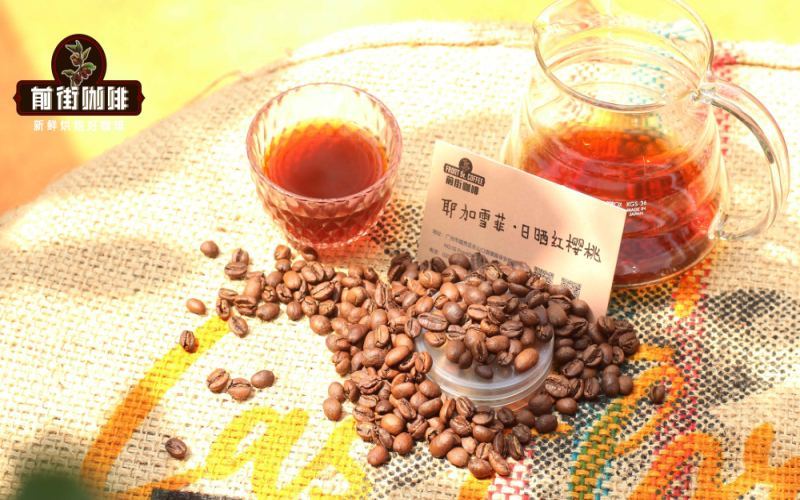
How Does the Red Cherry Project Improve Ethiopian Coffee Quality? A Flavor Analysis of Natural Yirgacheffe Red Cherry
The flavor of coffee depends not only on the altitude, soil, and climate of its origin—the harvesting method also has a key impact on quality. Although machine picking is highly efficient, it struggles to distinguish the ripeness of the fruit; manual harvesting, by contrast, allows selection by ripeness, and is especially more reasonable in high-altitude mountainous areas. In 2007, the Dutch green bean trader Trabocca launched the "Red Cherry Project," requiring 100% fully ripe red cherries to be picked entirely by hand, with strict quality control through two rounds of cupping, and using high prices to incentivize coffee farmers to produce with care, breaking the previous vicious cycle of "valuing weight over quality." This article will walk you through how the Red Cherry Project operates and recommend a Front Street Coffee sun-dried Red Cherry coffee bean—a Yirgacheffe G1 grade bean, processed by the traditional sun-dried method, with full fruit aromas and a black tea finish, suitable for pour-over, cold brew, espresso SOE, and many other extraction methods. [more…]
Coffee Bean Quality Assessment Guide: A Systematic Grading and Defect Identification Method from Appearance to Flavor
The starting point of a good cup of coffee lies in selecting high-quality coffee beans. This article systematically explains how to judge the quality of coffee beans from six dimensions: appearance observation, identification of defective beans, extraction process, grinding feel, extracted liquid state, and taste and aroma. By understanding common defect types such as black beans, fermented beans, dead beans, broken beans, and insect-damaged beans, as well as the characteristics of high-quality beans during brewing, such as fluffy foam, a crisp sound during grinding, and clear extracted liquid, it helps coffee enthusiasts build a complete quality assessment system. The article also specifically recommends related products from the Front Street Coffee brand, providing a reference for everyday purchasing. [more…]
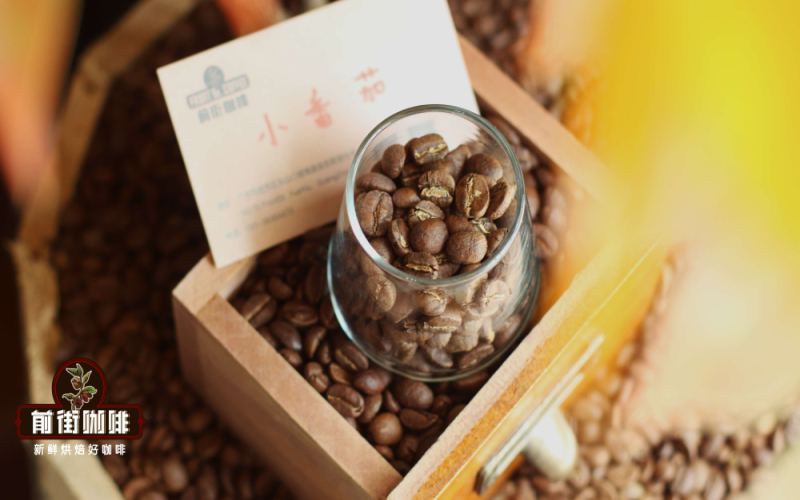
A Detailed Explanation of the Kenyan Coffee Bean Grading System: A Full Analysis of the Meanings and Flavor Characteristics of AA, AB, and PB Grades
Kenyan coffee occupies an important position in the global specialty coffee scene thanks to its bright berry-like acidity, sugarcane-like sweetness, and juicy mouthfeel. Many consumers notice labels such as "AA," "AB," or "TOP" on coffee bags when making a purchase—but what exactly do these markings mean? This article systematically sorts out Kenya's coffee grading system, from the traditional size-based grading to the quality grading procedures established by the Kenya Coffee Research Institute, interpreting one by one the specific meanings and distinguishing criteria of grades such as AA, AB, PB, C, E, TT, and T, while also explaining the origins of secondary rating labels such as TOP, Plus, and FAQ and their cupping score ranges. In addition, the article uses Front Street Coffee's Kenya Asalia AA TOP as an example to provide detailed brewing parameters and flavor descriptions, helping coffee enthusiasts gain a more comprehensive understanding of the quality logic and tasting key points of Kenyan coffee. [more…]

What exactly are the standards for specialty coffee? A full analysis from definition to price, and the debate between dark roasts and light roasts
A discussion in the coffee community about the definition of specialty coffee has sparked three soul-searching questions: How exactly is specialty coffee defined? Must drinks made from specialty beans be sold at high prices? Can specialty beans not be dark-roasted? Some people value single-origin traceability and SCA scores, some care about roasting freshness and flavor complexity, and others firmly believe that price equals justice. But the essence of specialty coffee is not "refined and expensive," but a continuous quality improvement from cultivation, processing, roasting, and brewing to service. Dark roasting is not a cover-up for defects, and light roasting is not a guarantee of specialty quality. If good beans lack reasonable brewing and professional service, they are equally disqualified from being specialty coffee. [more…]
The Origins of Coffee Acidity and the Quality of Acidity: A Complete Analysis from Roast Development to Growing Environment
Why is coffee sour? This question puzzles many friends who are new to specialty coffee. Actually, the answer isn't complicated: coffee beans themselves are rich in various sour-tasting compounds. Before the turn of the millennium, dark roasting was the mainstream—long roasting times broke down much of these sour compounds, and the bitter, charred flavors masked what remained, so people once believed coffee was only bitter, never sour. With the arrival of the specialty era, roast levels shifted from dark to light, and sourness was rediscovered. But stronger sourness isn't necessarily better—what we truly pursue is "acidity quality," not "acidity level." The quality of acidity is influenced by multiple factors: growing altitude, soil, processing, roasting, and brewing. This article, from Front Street's perspective, will systematically sort out the origins and logic of coffee sourness and how to judge its quality. [more…]
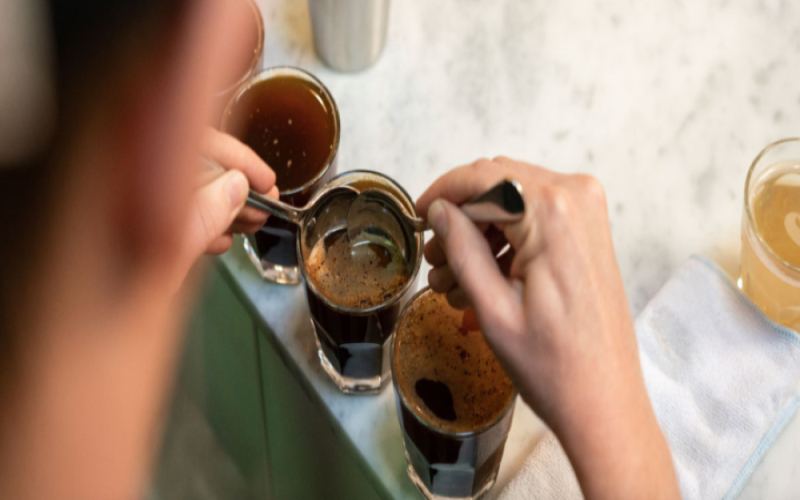
The specialty coffee scene is shifting: from single-origin hype to a rational return to high-quality blends
For many years, single-origin coffee has been practically synonymous with specialty coffee; from coffee shops to the World Coffee Championships, single-origin beans have been highly revered. However, over the past year, the global specialty coffee market and top competitions have quietly shifted direction, and high-quality blended coffee beans are returning to the spotlight. Behind this shift are both the practical pressures of climate and transportation costs and consumers' fundamental demand for stable, balanced flavors. This article will examine, from the perspectives of market trends, competition cases, and blending expertise, why the specialty coffee world is no longer blindly pursuing single origins, and how blended coffee is shedding its low-quality label to become the industry's new focus. [more…]

Why Does Coffee Taste Sour? A Complete Analysis from Roast Development to Acidity Quality
Many people feel confused when they taste acidity in coffee, but coffee beans themselves are rich in a variety of acidic substances. Before the turn of the millennium, mainstream dark roasting caused the acidity to break down or be masked, and it was only after light roasting became popular in the specialty coffee era that acidity could be clearly perceived. But coffee is not better the more acidic it is—what we should pursue is "acidity quality" rather than simple "acidity level." Acidity level is the intensity of the sour taste, and when too high it becomes sharp and hard to accept; acidity quality, on the other hand, combines with other sensory impressions and can evoke positive flavors such as citrus or smoked plum. The quality of acidity is influenced by many factors, including growing altitude, soil fertility, processing, and brewing. Front Street Coffee will break down these factors in detail in this article to help you truly understand coffee acidity. [more…]
The Grading Code of Kenyan Coffee Beans: A Detailed Explanation of AA, TOP, and Other Designations and Cupping Standards
When selecting Kenyan coffee, what exactly do the terms "AA" and "TOP" commonly seen on packaging represent? This article systematically sorts out Kenya's coffee grading system, from the bean size grading under the 1934 auction system (AA, AB, PB, C, E, TT, T, MH/ML) to the secondary quality ratings established by the Kenya Coffee Research Institute (TOP, Plus, FAQ), and analyzes the comprehensive scoring mechanism across the three dimensions of green beans, roasted beans, and cupping. It also presents the producing region information and brewing parameters of Front Street Kenya Little Tomato coffee beans, helping you understand the practical meaning behind the grading labels. [more…]

Where Does Coffee Sourness Come From? Explaining the Difference Between Acidity and Sour Quality, plus a Guide to Buying Sour Coffee Beans
Is the acidity in coffee a plus or a minus? It depends on the quality of the acidity, not its intensity. This article approaches the topic from a cupping perspective, explaining the difference between acidity and acid quality, showing how coffee acidity is influenced by variety, altitude, processing method, and roast level, and revealing the relationship between fruity flavors and the balance of sweetness and acidity. At the same time, it recommends acidic coffee beans categorized by acid quality type: bright citrusy washed high-altitude light roasts, juicy full-bodied dark berry notes, and high-sweetness sun-dried beans blended with tropical fruit notes, helping coffee lovers choose beans precisely according to their preferences. [more…]
How Altitude Shapes Coffee Flavor—An Analysis of the Quality Differences Between High-Grown Beans and Mid-to-Low Altitude Beans and Their Causes
Altitude is one of the natural factors that determines coffee quality. Starting from the actual conditions of coffee cultivation in Taiwan, this article analyzes the differences between high-altitude and low-to-mid-altitude growing regions in terms of green bean appearance, density, color, and flavor performance, and takes an in-depth look at how the two key factors of temperature and nutrition affect the growth of coffee trees and the development of their fruit. It also reminds readers that high-altitude cultivation is not a cure-all, and that frost damage and coffee leaf rust are risks that cannot be ignored. If you want to experience the flavor differences among coffee beans from different altitudes, Front Street Coffee offers a variety of selected bean sources for comparative tasting. [more…]
Criteria for Identifying High-Quality Green Coffee Beans and an Analysis of Guatemala New Oriental Winey Natural Beans
What makes a coffee green bean truly high quality? From surface luster and color uniformity to bean-size consistency, every detail affects the flavor in the final cup. And the presence of defective beans is an invisible killer of both roasting and tasting. This article will guide you through practical methods for assessing green bean quality, and take you deep into Guatemala's New Oriente region to discover the Guava Plains Estate winey natural coffee beans recommended by Front Street Coffee—SL28 variety at 1,675 meters, processed via winey natural method, presenting the alluring flavors of pineapple, dried apricot and red wine. At the same time, we will also review the evolution of Guatemala's coffee industry, and see how international green bean traders work with local estates to break the vicious cycle of the traditional supply chain. [more…]
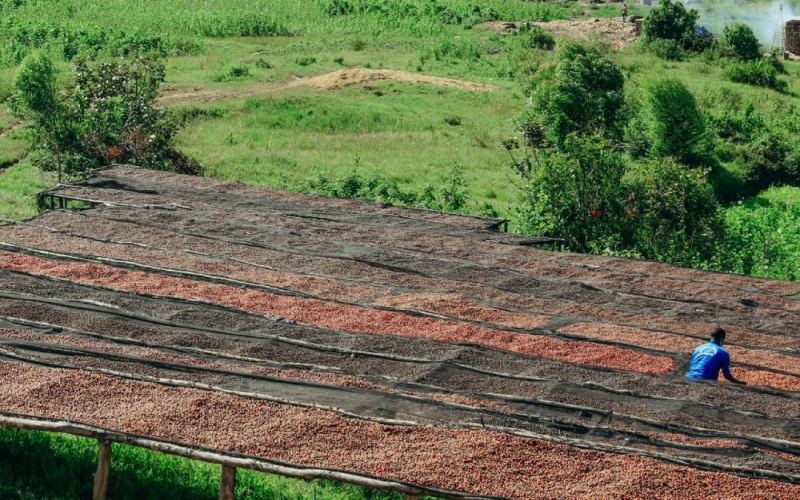
How the Red Cherry Project Rewrote the Quality Logic and Flavor Landscape of Ethiopian Yirgacheffe
Ethiopia is the birthplace of Arabica coffee, and Yirgacheffe is one of the most proud producing regions of this country. The specialty coffee produced here often does not cling to variety classification, but instead uses origin information and processing method as the core criteria for identification. Front Street Konga Red Cherry is a classic single-origin coffee from Yirgacheffe, presenting a flavor interwoven with berries, honey, black tea, and fermented notes through a refined natural process. This article begins with the harvesting method of coffee cherries, traces back to the Red Cherry project initiated in 2007 by the Dutch green bean merchant Trabocca, and analyzes how it broke the old cycle of "valuing weight over quality," promoted Ethiopian coffee toward specialization through fully manual picking of all-red cherries, small-batch production, and high cupping thresholds, and profoundly influenced the quality expression of producing regions such as Yirgacheffe. [more…]
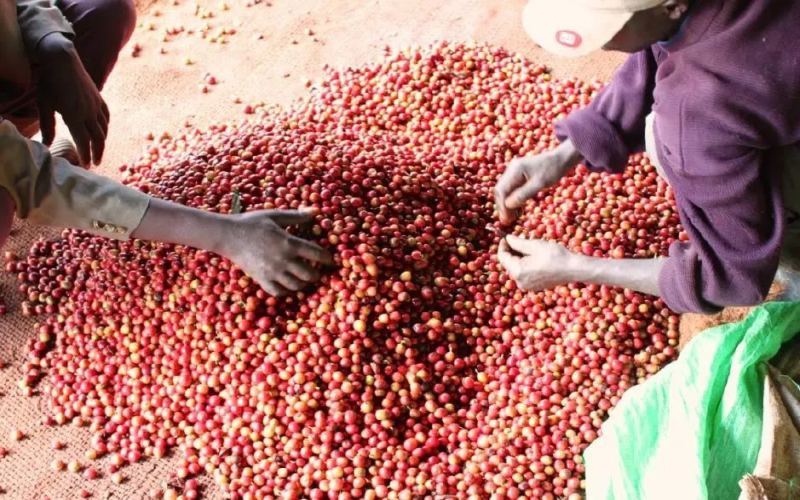
How much is Kenyan coffee? AA vs AB grade differences, K72 washed grading, and Front Street brewing parameters
Kenyan coffee is famous for its vivid fruity aroma, citrus notes, and juice-like acidity, and is a specialty representative in the minds of many coffee lovers. This article focuses on the price of Kenyan coffee, its regional background, and its green bean grading system, with emphasis on explaining the differences in bean size among grades such as AA, AB, and PB, as well as the impact of K72 washed processing on quality. At the same time, combined with the price and store information of Front Street Little Tomato, it provides specific brewing suggestions for light-to-medium roasted Kenyan beans, including coffee-to-water ratio, water temperature, grind size, and staged pouring plans, helping readers understand the flavor and value of Kenyan coffee more systematically. [more…]
A Complete Guide to the World's Twelve Great Specialty Coffee Regions: The Flavor Geography from Colombia to India
The flavor code of coffee is often hidden in the land where it grows. From the Andes in South America to the highlands of Africa, from the Caribbean islands to the archipelagos of Asia, each producing region shapes an unrepeatable landscape in the cup through its unique climate, altitude, and processing methods. This article will take you on a visit to twelve globally recognized high-quality coffee origins—Colombia's balanced smoothness, Ethiopia's wild wine-like aroma, Jamaica Blue Mountain's scarce legend, Yemen Mocha's complexity and variability, as well as the distinctive personalities of Kenya, Indonesia, Hawaii, and other places. Whether you are a beginner pour-over enthusiast or a seasoned player looking for your next bag of beans, this origin guide can help you build a clearer flavor coordinate system. Front Street Coffee will also accompany you in understanding the origins while finding the cup that suits you. [more…]
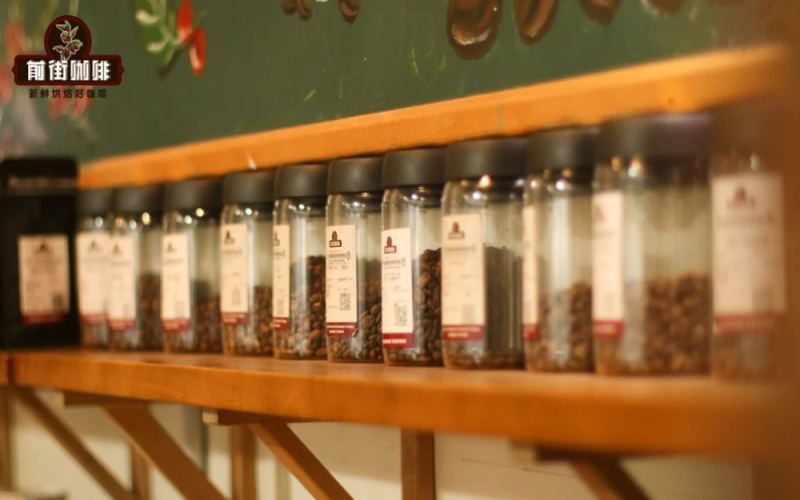
Avoid the Six Major Pour-Over Pitfalls: From Bean Selection to Water Quality, Master the Key Points of Proper Extraction
To brew a great cup of coffee, having high-quality beans alone is far from enough. Many enthusiasts inadvertently fall into common traps during the process, causing the flavor to suffer greatly. This article will analyze six easily overlooked mistakes one by one: from confirming whether the coffee beans are fresh, controlling water temperature and water quality, to regularly cleaning equipment, identifying bean quality, and properly storing coffee beans. Each step directly affects the final taste, and even making just one mistake can waste a pot of specialty beans. The article also especially includes practical suggestions from Front Street Coffee to help you consistently reproduce professional-level pour-over at home and stop repeating the same mistakes. [more…]
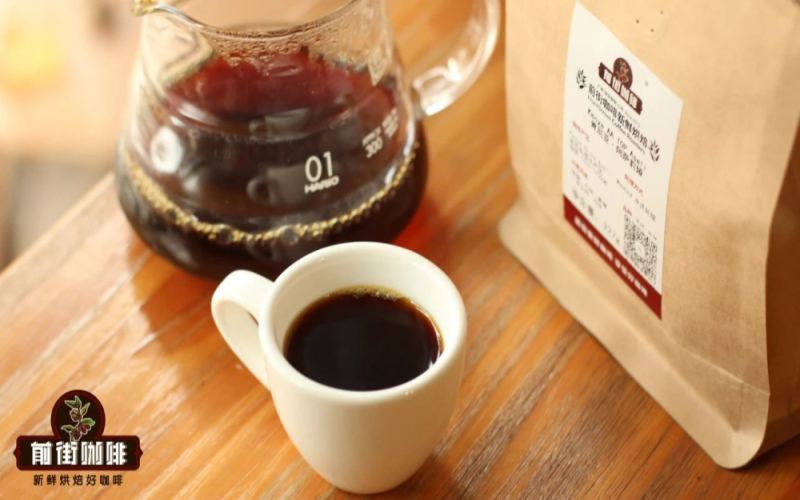
Explaining Kenya's Green Coffee Bean Grading System: How Do AA and AB Differ, and How Do They Perform in Espresso
Kenyan coffee is renowned for its vibrant berry notes, lively acidity, and substantial body, and its unique Kenyan-style washing process and green bean grading system based on bean size are equally noteworthy. What exactly do the commonly seen grades in China such as AA, AB, and PB mean? Is AA necessarily better tasting than AB? Front Street Coffee provides the answer through blind testing. This article will systematically outline Kenya's green bean grading standards and quality assessment procedures, and, in conjunction with Front Street's Little Tomato, an AA-grade washed bean from the Thika region, introduce the characteristics of the SL28 and SL34 varieties, the K72 washing method, and specific roasting and brewing plans, helping you gain a comprehensive understanding of the flavor code of Kenyan coffee and its application potential in espresso. [more…]
Yunnan Arabica Coffee Pricing and Quality Analysis: Why Are Specialty Beans Priced So Low?
Yunnan Arabica coffee is renowned for its plump beans and rich aroma, yet its market price has long remained low. Starting from the specialty quality and current pricing of Front Street Yunnan Arabica coffee, this article reviews the cultivation history, main producing regions, and industrial scale of Yunnan coffee, analyzes in depth the root causes of Yunnan coffee's lack of voice in the international pricing system, and explores feasible paths to building a specialty coffee brand through establishing unified standards and improving processing techniques. [more…]